Daisy: The Handwritten Font for Makers
The morning light was just hitting my workbench when I opened the design file for my new line of soy candles. I had spent hours perfecting the wax blend and sourcing the perfect amber jars, but the label felt flat. It lacked that personal, human touch that defines a handmade brand. That is when I loaded Daisy. As soon as those elegant curves appeared on the screen, the entire vibe of the project shifted. It wasn’t just text anymore; it was an invitation. This experience is exactly why I keep returning to this specific typeface for my shop materials. It bridges the gap between professional polish and artisanal warmth in a way that few other fonts manage.
Bringing Elegance to Handmade Labels
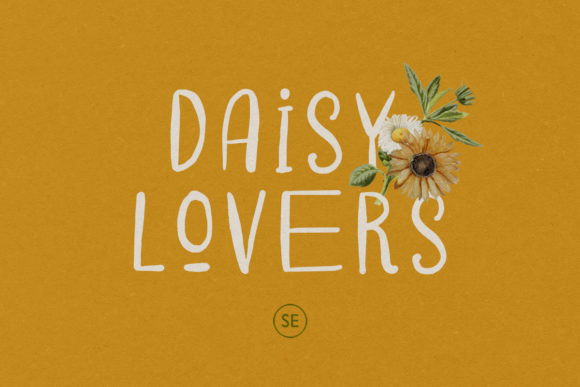
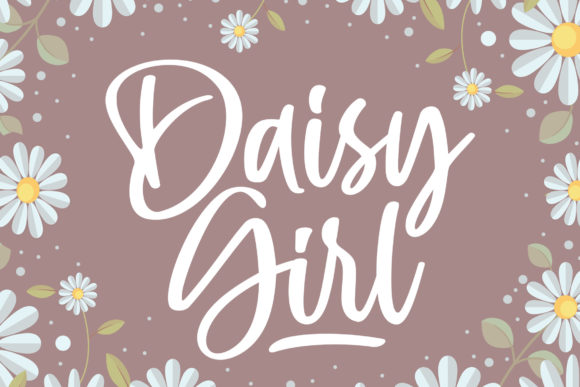
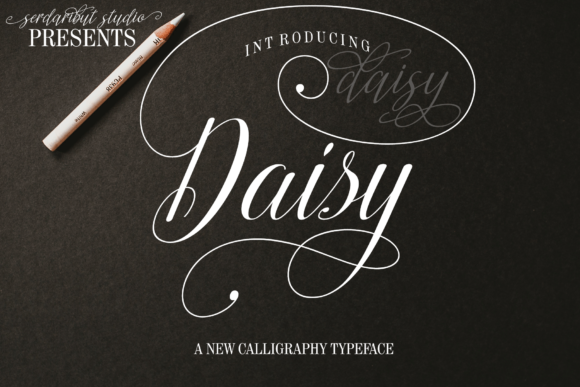
For anyone running a small creative business, packaging is your silent salesperson. When a customer picks up a product, the typography tells them what to expect before they even read the ingredients or description. Daisy is an elegant and flowing handwritten font that maintains its classy calligraphic influences while feeling contemporary and accessible. It does not scream for attention with loud, bold strokes. Instead, it whispers sophistication.
I recently used Daisy for a set of boutique soap labels. The challenge with small labels is always balancing readability with aesthetics. Because Daisy has such clear letterforms, it remains legible even at smaller sizes, provided you give it enough breathing room. I paired it with a clean, geometric sans serif font for the ingredient list and weight details. This contrast allowed the script to shine as the hero element while ensuring the practical information was easy to scan. The result was a label that looked like it belonged on a high-end vanity rather than a craft fair table.
Versatility Across Product Lines
One of the most valuable aspects of adding a premium font like Daisy to your design assets library is its versatility. It is not limited to just one type of product. I have found it equally effective on wedding invitations, where its romantic flow complements floral watercolor backgrounds, and on modern minimalist tote bags, where a single word in Daisy can serve as a striking graphic element.
Consider seasonal products. During the holiday rush, I designed a series of printable gift tags. Using Daisy for the recipient’s name added a layer of personalization that made the digital download feel bespoke. Whether you are creating greeting cards, planner pages, or printable wall art, this typeface adapts to the mood of the project. It feels equally at home on a rustic farmhouse sign as it does on a sleek, modern business card. This flexibility makes it a cornerstone of my brand identity toolkit.
The Technical Advantage for Crafters
As a maker who uses cutting machines like Cricut and Silhouette, I know that not all script fonts are created equal. Some have disconnected letters that require tedious manual alignment, while others have overlapping paths that cause cutting errors. Daisy is PUA encoded, which means you can access all of the glyphs and swashes with ease. This technical feature is a game-changer for efficiency.
Instead of hunting through character maps or using complex software workarounds, I can simply type and select the alternate characters I need directly from my design program. This allows me to create unique ligatures and custom flourishes for logos or monograms without spending hours on vector editing. For those creating SVG-style designs or intricate sticker sheets, this ease of access saves valuable production time. It allows you to focus on the creative composition rather than fighting with the software.
Pairing and Readability Tips
To get the most out of Daisy, consider how it interacts with other elements in your design. Because it is a display font with significant personality, it works best for short phrases, names, titles, and decorative wording. It is not intended for long paragraphs of body text. Use it to highlight the most important information: the product name, the couple’s names on an invitation, or the main quote on a piece of wall art.
When pairing Daisy, think about balance. A simple serif font can enhance its traditional calligraphic roots, making it ideal for wedding stationery or vintage-inspired branding. Conversely, a modern sans serif font creates a fresh, contemporary look that works well for lifestyle brands and social media graphics. Always test your combinations in mockup previews. What looks good on a large monitor might need adjustment when printed on a small candle label or embroidered on a shirt.
Readability is also key for physical merchandise. If you are using Daisy on a mug or a tote bag, ensure there is high contrast between the text color and the background. Light gray script on a white ceramic mug will disappear, whereas deep navy or black will pop. For stickers, avoid placing the text over busy patterns. Let the flowing lines of the font stand out against a solid or subtly textured background.
Building a Cohesive Brand Identity
Consistency is crucial for customer recognition. By using Daisy across various touchpoints—from your Etsy banner to your packaging inserts and thank-you cards—you create a cohesive visual language. Customers begin to associate that specific elegant flow with your brand’s quality and care. It becomes part of your brand identity, signaling that your products are crafted with attention to detail.
This consistency extends to digital downloads as well. If you sell printable templates, using a recognizable and beautiful typeface can increase the perceived value of your product. Buyers are often looking for designs that look professionally done but still retain a handmade charm. Daisy delivers both. It feels curated and special, which encourages customers to share their purchases on social media, further amplifying your reach.
Licensing and Commercial Use
Before you start designing your next batch of products, always review the licensing terms. Understanding commercial font licensing is essential for protecting your business. Ensure that the license covers the specific ways you intend to use the font, whether for physical products like shirts and mugs, or for digital end-products like printable PDFs. Most reputable font creators provide clear guidelines on what is permitted. Respecting these terms ensures that you can sell your creations with confidence and peace of mind.
In the world of handmade goods, every detail matters. The right typeface can elevate a simple product into a cherished keepsake. Daisy offers that blend of elegance, ease, and versatility that modern makers need. It invites you to slow down, appreciate the beauty of handwritten forms, and bring a touch of class to everything you create. Whether you are designing a single birthday invitation or a full product line, let this font help you tell your story with grace and style.